STOP RESEARCH TEAM

Population Health Research Platform

We are dedicated to advancing the health of diverse population with health vulnerabilities.

All information posted on this site is protected by copyright and may not be used without the approval of the original author.
However, research materials produced by the STOP team may be used without prior approval, provided that the source is properly cited.
Welcome to the
STOP Research Team.

Mission and Vision

STOP research team is dedicated to advancing the health of diverse populations with health vulnerabilities through a focus on Population Health. We aim to enhance health equity by conducting research and developing intervention programs based on scientific evidence.

In particular, we leverage social media to prevent unhealthy risk behaviors at an early stage, striving to become a leader in health prevention and promotion. Our team drives global health solutions through continuous innovation and collaboration, setting new standards for health prevention and promotion.

Research Focus

Population Health refers to the comprehensive set of health outcomes experienced by individuals within a specific group. It emphasizes the significant impact of social and environmental conditions while underscoring the essential understanding needed to strengthen primary healthcare systems.

The theoretical framework of our research team, based on the Social Determinants of Health (SDOH), explains that negative health outcomes are influenced by structural systems, including social, economic, cultural, and political factors. We integrate these structural determinants with individual mediating factors to better understand population dynamics, identify health issues, and develop solutions.

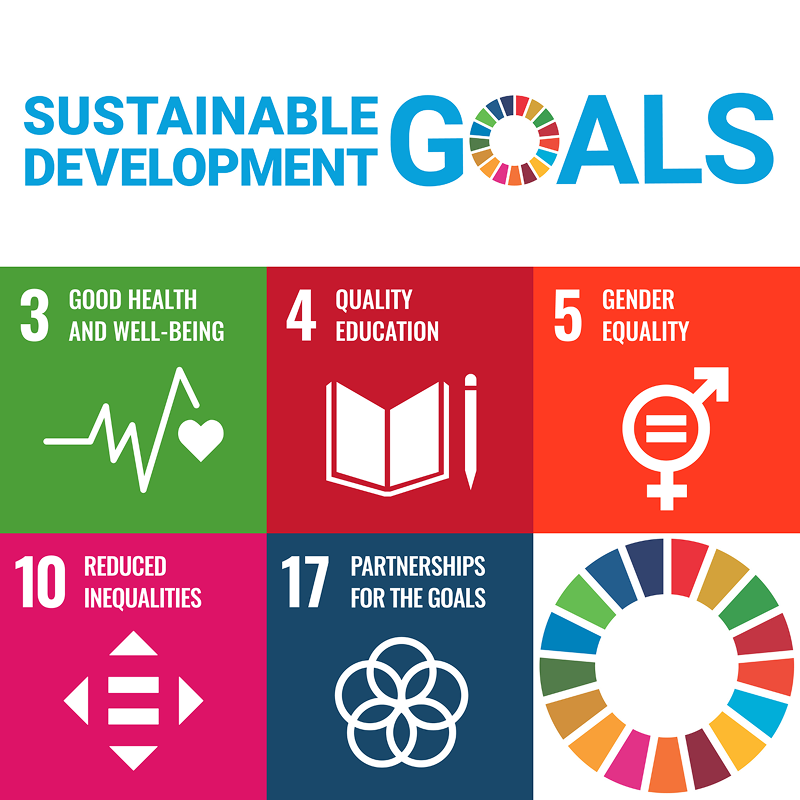
Pursuing the SDGs

Our research team upholds the United Nations
Sustainable Development Goals(SDGs), particularly those related to Good Health and Well-being, Gender Equality, and Health equity shaped by social and structural factors.

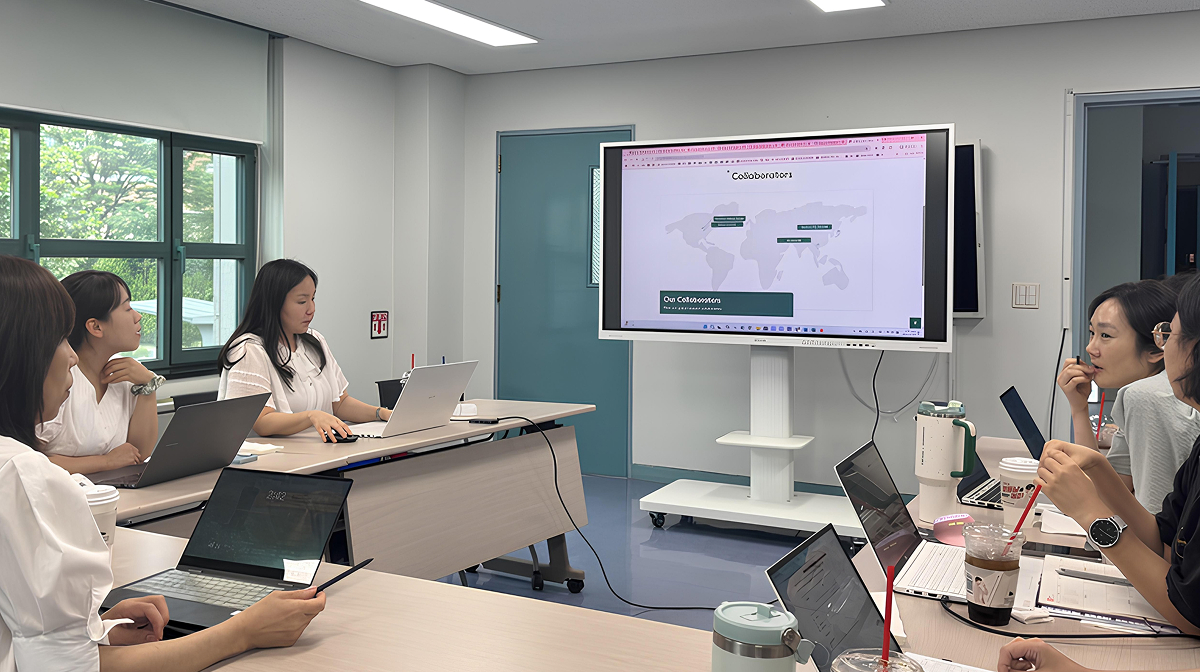
By collaborating with institutions around the globe, we engage in interdisciplinary research aimed at advancing the internationalization of nursing. Ultimately, we strive to contribute to a healthier and more equitable future for all.

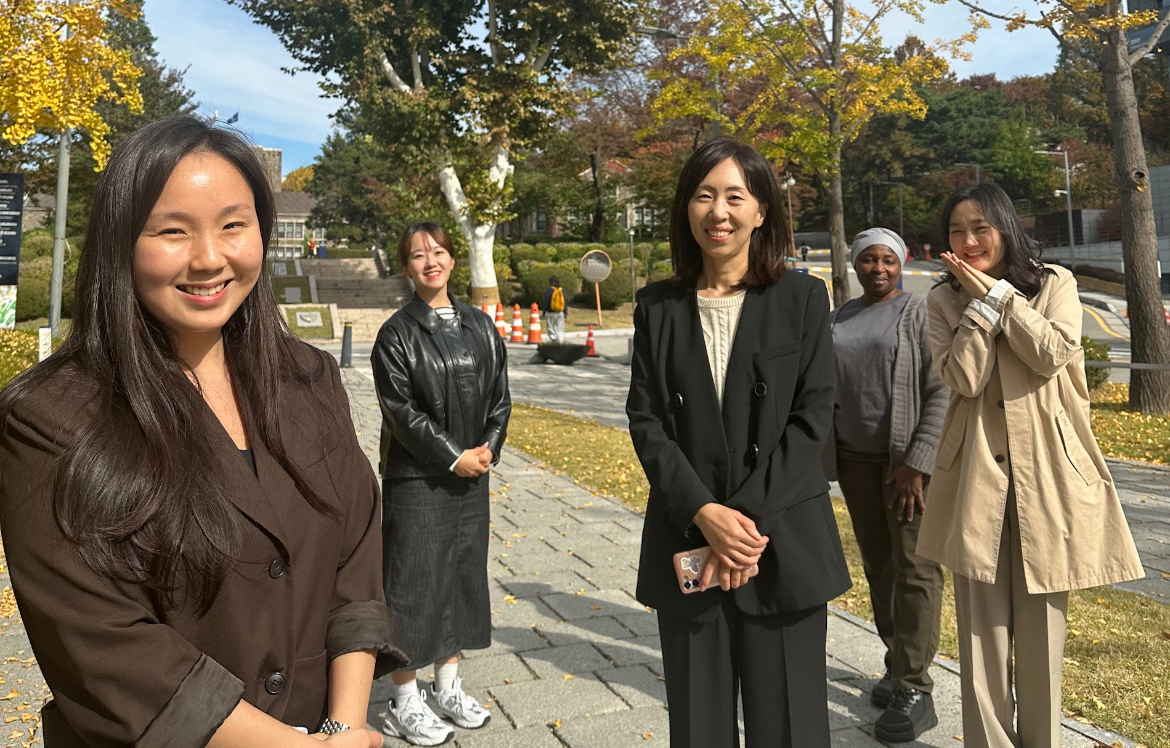
Photo News

Publications

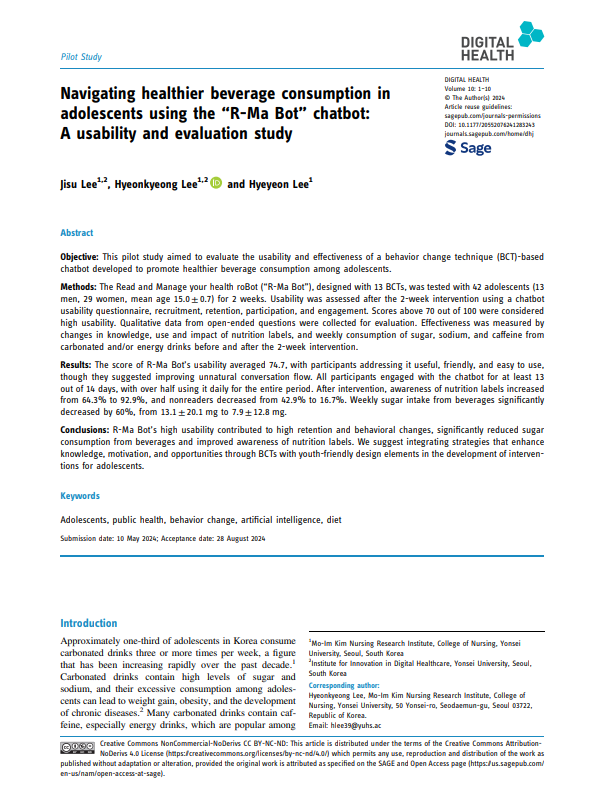
Navigating healthier beverage consumption in adolescents using the “R-Ma Bot” chatbot: A usability and evaluation study
Objective: This pilot study aimed to evaluate the usability and effectiveness of a behavior change technique (BCT)-based chatbot developed to promote healthier beverage consumption among adolescents. Methods: The Read and Manage your health roBot (“R-Ma Bot”), designed with 13 BCTs, was tested with 42 adolescents (13 men, 29 women, mean age 15.0 ±0.7) for 2 weeks. Usability was assessed after the 2-week intervention using a chatbot usability questionnaire, recruitment, retention, participation, and engagement. Scores above 70 out of 100 were considered high usability. Qualitative data from open-ended questions were collected for evaluation. Effectiveness was measured by changes in knowledge, use and impact of nutrition labels, and weekly consumption of sugar, sodium, and caffeine from carbonated and/or energy drinks before and after the 2-week intervention. Results: The score of R-Ma Bot’s usability averaged 74.7, with participants addressing it useful, friendly, and easy to use, though they suggested improving unnatural conversation flow. All participants engaged with the chatbot for at least 13 out of 14 days, with over half using it daily for the entire period. After intervention, awareness of nutrition labels increased from 64.3% to 92.9%, and nonreaders decreased from 42.9% to 16.7%. Weekly sugar intake from beverages significantly decreased by 60%, from 13.1 ±20.1 mg to 7.9 ±12.8 mg. Conclusions: R-Ma Bot’s high usability contributed to high retention and behavioral changes, significantly reduced sugar consumption from beverages and improved awareness of nutrition labels. We suggest integrating strategies that enhance knowledge, motivation, and opportunities through BCTs with youth-friendly design elements in the development of interventions for adolescents.